
Mango Farming Profit Per Acre in India: Costs, Revenue and Net Profit Explained
Bapus Editorial
2 November 2026
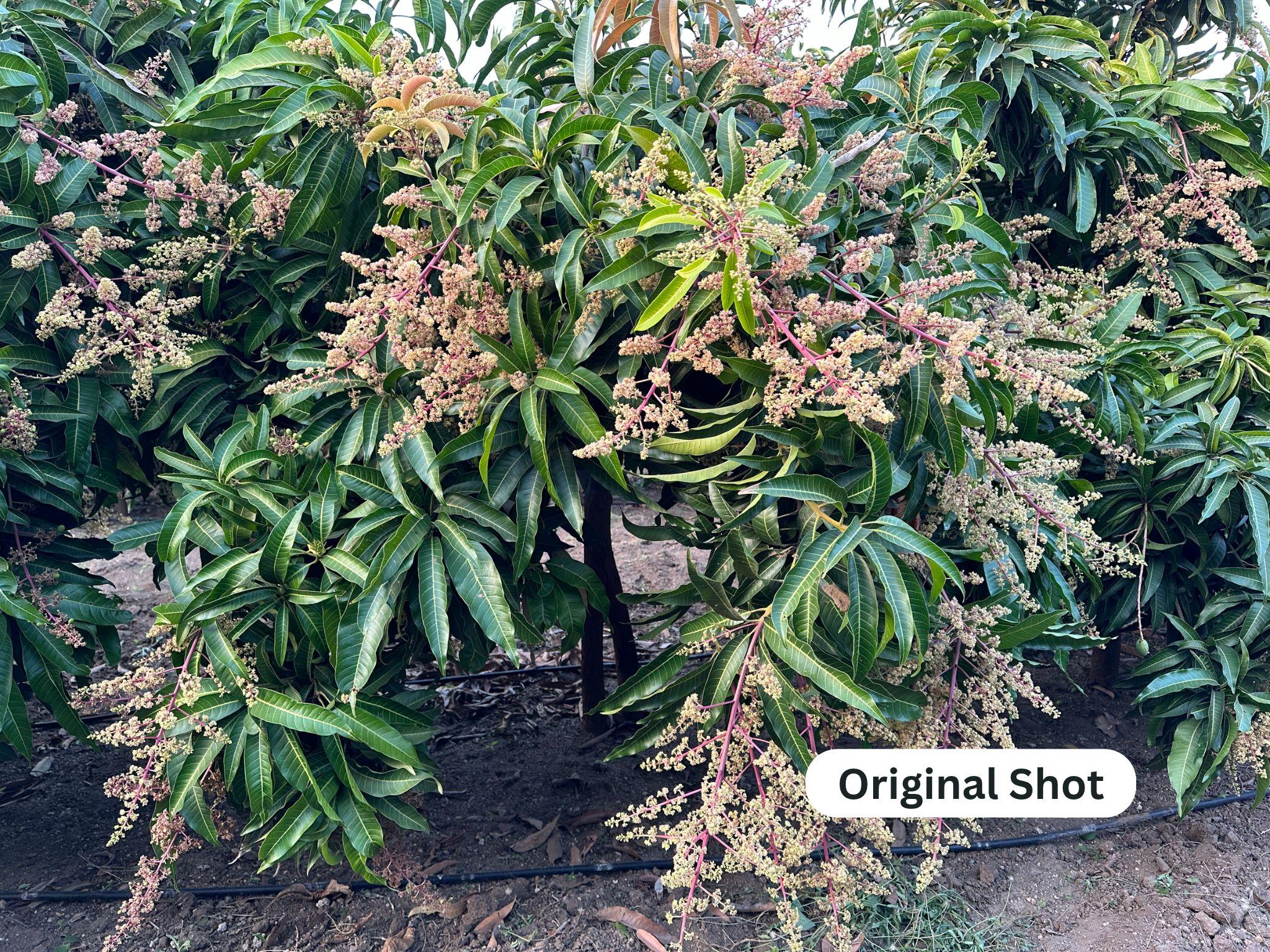
“How much profit can one acre of mango farming generate?” is a natural question for anyone thinking about establishing a mango orchard. It is also a question that cannot responsibly be answered with one fixed amount.
An orchard needs investment before it produces a commercial crop. Production varies with tree development, orchard management, the variety grown and the price realised when mangoes are sold. Costs continue even when a particular season delivers less fruit than expected.
For landowners exploring mango farming profit per acre, the useful starting point is not a headline return. It is a transparent calculation: identify the cost of creating the orchard, forecast the work required every year, estimate saleable production using clearly stated assumptions and deduct all relevant expenses. The result is a scenario for decision-making—not a promised income.
Bapus Mango Farm helps existing agricultural landowners explore commercial orchard development with mango plants, plantation planning and technical guidance. It also offers a separate managed mango orchard proposition in the Dhule region of Maharashtra. Those services involve different costs, ownership arrangements and responsibilities, so their figures should never be mixed into a single generic “profit per acre” claim.
Quick Answer: How Is Mango Farming Profit Per Acre Calculated?
Mango farming profit per acre means the revenue from mangoes sold from one acre minus the costs attributable to that acre for the relevant period. A complete investment review should also consider establishment costs, previous years' expenses, future maintenance and whether the figures describe a mature orchard or an early harvest. A revenue estimate is not a net-profit estimate.
The simplest working formula is:
Saleable mango kilograms × realised selling price per kilogram = gross mango sales.
Gross mango sales − applicable cultivation, harvesting, logistics and other defined costs = estimated operating surplus.
A proper project agreement then defines which additional costs or accounting adjustments are considered before a contractual figure called “net profit” is established. For a joint venture, the investor's share is calculated from the contractual net-profit amount, not automatically from gross sales. Profit per acre is a measure of farming results, while an investor's cash-on-cash return would require a separate calculation using the actual purchase price and cash received.
Why Published Per-Acre Profit Numbers Are Often Misleading
Two examples can show very different per-acre profits even when both are described as mango orchards. One might use a mature producing plantation while the other is newly developed. One might report retail mango prices while another uses the actual farm-gate price received. A third might count plantation costs separately or omit recurring management expenses altogether.
When you read an impressive online figure, ask five questions immediately. Does it include the years before commercial harvesting? Is the quantity total harvested fruit or fruit that can actually be sold? Is the price a verified sale rate or an assumed future market rate? Has the cost of running the orchard been deducted? Is the result before or after any agreed management or profit-sharing allocation?
The distinction between gross sales, operating surplus, accounting profit and cash distributed to a landowner is especially important for professionally managed farms. These numbers are related, but they are not interchangeable.
The Three Financial Stages of a Mango Orchard
Stage 1: Establishment and Initial Plantation
A commercial orchard needs a planting plan before it needs an earnings projection. Landowners may need to arrange assessment, land preparation, suitable plants, water infrastructure, protection of the plantation and the labour required for establishment. Each property is different and the final work should be quoted against the particular land and proposed system.
Bapus Mango Farm lists two mango plant age options in its Orchard Development service: 18-month plants and 30-month plants, at company-listed prices of ₹350 and ₹550 per plant respectively. These are plant prices, not a complete per-acre project budget. The final plant variety, supply availability, transport, planting work and technical terms require a current written quotation.
The development service is intended for people who already own agricultural land and lists a 10-acre minimum requirement. This is different from the separate managed orchard ownership offering. Read the Orchard Development service to understand which support is described for existing landowners.
Stage 2: Orchard Care Before Commercial Harvesting
Plantation is followed by a period when the trees need continued care and may not yet deliver commercial mango income. Irrigation, plant nutrition, pruning, monitoring, protection and labour can all form part of the operating plan. Actual requirements depend on the cultivation method and the land.
A common error is to skip these years in a profitability calculation. A future harvest cannot be treated as pure gain if several years of expenditure preceded it. The correct approach is to keep a year-wise record of money spent, work completed and the actual stage of the orchard. This allows an owner to distinguish annual crop profitability from cumulative project profitability.
Bapus Mango Farm's managed model describes mango harvesting as projected from around Year 3. That is an indicative project timeline, not a universal or guaranteed first-harvest date for every mango orchard in India.
Stage 3: Harvesting, Sales and Ongoing Production
Once an orchard begins producing saleable fruit, commercial management adds several new activities. Harvesting needs to be organised; fruit must be evaluated, graded and packaged; and produce must reach an appropriate buyer. The difference between fruit harvested and fruit sold can matter as much as the quantity grown.
Bapus Mango Farm describes harvesting, grading, packaging and marketing as part of its separate Managed Mango Orchard offering. For existing landowners using the Orchard Development service, the final scope of ongoing operations should be confirmed rather than assumed.
Even when a season's sales are encouraging, the next season requires continued maintenance. An orchard should therefore be assessed over several years rather than one illustrative harvest.
A Practical Cost Checklist for One Acre of Mango Farming
The most reliable financial plan starts with a cost register. Create separate categories instead of placing all spending under one line named “farming cost”.
| Cost category | Questions to ask before budgeting |
|---|---|
| Agricultural land | Is land already owned, or is land acquisition part of the project? |
| Land assessment | What site-specific assessment and planting plan are included? |
| Mango plants | What variety, age, count, replacement terms and delivery costs apply? |
| Plantation establishment | Who provides labour, materials, protection and initial setup? |
| Irrigation | What equipment, installation and ongoing maintenance are required? |
| Routine crop care | How are pruning, nutrition, monitoring and other activities arranged? |
| Harvest and grading | Who performs the work and how are costs calculated? |
| Packing and logistics | Which costs arise between the orchard and the buyer? |
| Sales and marketing | How are buyers found and sales prices documented? |
| Management and administration | Are service charges, reporting and contractual deductions applicable? |
For an independent orchard, the landowner may directly control many of these costs. In a managed agricultural arrangement, responsibility and deductions should be written into the relevant agreement. Comparing a plant-supply quote with a land-and-management package without separating these categories is not meaningful.
How to Estimate Gross Mango Sales Without Inventing a Return
Start with inputs that can be explained and later checked. Record the number of producing trees, an estimated saleable harvest per tree and a selling price based on the appropriate buyer channel. Then calculate gross sales.
Illustration only: Suppose an orchard scenario assumes 500 producing trees, 8 kg of saleable mangoes per tree and a realised price of ₹60 per kg. Multiplying these assumptions gives 4,000 kg of saleable fruit and ₹2,40,000 in hypothetical gross sales. This is arithmetic, not actual Bapus Mango Farm performance, a market quote or a forecast.
If the same assumed quantity sells for a lower or higher price, the result changes. If fruit is rejected or cannot be sold, the result changes again. Costs can also rise. This is why a single number should never be treated as an assured per-acre return.
As a purely illustrative calculation, 500 trees × 6 kg of saleable mangoes per tree × ₹50 per kg = ₹1,50,000 in gross sales, before any costs. This is not evidence that an orchard will achieve the assumed yield, saleability or selling price. Bapus Mango Farm separately describes a proposed 520–620 mango trees per acre but uses 500 trees in some yield illustrations. The two figures should not be applied together until a site-specific agronomic plan reconciles the design. Neither calculation establishes net profit.
Gross Revenue Versus Net Profit: The Difference That Matters
A clear profitability discussion should distinguish at least four amounts. Potential crop value is the theoretical quantity multiplied by an assumed price. Gross realised sales is what buyers actually pay for the crop sold. Operating result is what remains after defined costs of producing and selling that crop. Owner distribution is any sum actually paid under the relevant ownership or management contract.
In a joint venture, percentages generally apply at a specified stage of the accounting process. If an investor is entitled to a proportion of net profit, the parties must first agree on the accounting meaning of net profit. Otherwise, the same harvest can generate different expectations for the operator and the landowner.
Ask for a sample statement covering quantity harvested, quantity sold, sale invoices, documented expenses, adjustments, net-profit calculation and the amount distributable to each participant. A sample should be labelled as an example and not as a promised settlement.
A Year-by-Year Profitability Worksheet
A simple worksheet can make orchard economics more understandable. Each year should show opening investment, establishment expenditure, routine operating expense, harvest quantity, quantity sold, gross sales, selling expenses and any closing balance. Do not fill future columns with guaranteed figures; use scenarios labelled as assumptions.
| Period | Principal focus | What the financial record should show |
|---|---|---|
| Before planting | Feasibility and commitments | Land status, plant plan, quotation and likely establishment categories |
| Year 1 | Establishing the orchard | Actual setup spending and ongoing care expenses |
| Years 2–3 | Orchard development | Annual maintenance spending and progress records |
| Around Year 3 in the Bapus managed illustration | Possible first mango harvest | Actual harvest, saleable quantity, sales and costs if production occurs |
| Subsequent years | Continued production | Annual crop results, maintenance costs and cumulative project cash flow |
The purpose is to make comparisons over time possible. A single profitable harvest does not necessarily mean the entire land-and-orchard investment has broken even, because past expenses may still need recovery.
How Planting Density Influences Per-Acre Economics
Tree count matters, but it cannot answer a profit question on its own. More plants may change the number of trees that can eventually contribute fruit, while also changing the layout and management responsibilities. The correct density must be supported by the orchard's specific technical plan.
Bapus Mango Farm describes Ultra High-Density Plantation, or UHDP, as part of its proposed commercial orchard model. It promotes structured orchard planning, professional care and site-specific guidance. The number of trees selected for an actual plot should be supported by a layout showing access, irrigation arrangements and any additional crops.
A useful comparison asks more than “How many trees fit in an acre?” At 7 ft × 12 ft, the purely mathematical area of a planting position is 84 square feet, so one acre (43,560 square feet) contains about 519 such positions before allowance for access or other uses. This does not support treating 620 mango positions at that same spacing as an established fact. Ask whether the actual design, required access, irrigation, maintenance and marketing assumptions are technically supported.
What Can Affect Saleable Mango Production?
The quantity that reaches a buyer is not determined solely by the number of trees. Bapus Mango Farm identifies natural conditions, farming practices, plant health and market conditions as factors affecting financial illustrations. Those are important reasons to treat harvest figures as estimates.
There is also a difference between biological production and commercial output. Trees may carry fruit, but the business result depends on how much can be harvested, graded and sold. Production planning therefore requires coordination between cultivation and the market. A farm owner should ask how the operator records fruit quantities, grades produce and documents completed sales.
For a broader explanation of orchard establishment, visit the existing Bapus guide to mango farming in India. A separate production guide can be linked here once that new article is published.
How to Compare Self-Managed and Professionally Managed Mango Farming
The economic comparison changes when management responsibilities differ. Under an owner-developed orchard, the person who owns the land generally needs to organise the work, except for services separately contracted. Under Bapus Mango Farm's managed ownership model, the company describes responsibility for plantation, crop care, harvesting and marketing.
That managed model also describes a 20:80 mango net-profit-sharing arrangement, with 80% proposed for the investor and 20% for Bapus Mango Farm, subject to the actual contract. The percentage is not an 80% return on purchase price and it is not an 80% share of gross sales. Maintenance is presented as free for the first three years, with later charges determined under the ownership plan.
Bapus Mango Farm has communicated different indicative starting amounts for its managed offering in different public-facing materials. These cannot be treated as a single confirmed current offer. The dependable amount for a transaction is the latest dated and itemised quotation, including exactly what land, development and maintenance arrangements it covers. The company's Managed Mango Orchard service explains the model, but buyers should confirm the actual project scope and financial terms before proceeding.
Orchard Profit Versus Farmland Appreciation
People considering farmland investment sometimes combine annual crop earnings with expectations about the value of agricultural land. These are separate questions. A crop earns income only when produce is sold for an amount exceeding relevant costs. A parcel of land may rise or fall in market value depending on location, demand, access and numerous other circumstances.
Neither event is guaranteed by the other. A property may have value as agricultural land before mango trees become productive, while the orchard itself may require continued investment. Conversely, a good mango-selling season does not establish a predictable rate of land appreciation. Keep any estimate of land value separate from annual farming calculations.
For the decision between an existing-land service and an ownership package, read Managed Mango Orchard vs Developing Your Own Orchard.
A Sensitivity Test Every Mango Farm Owner Should Run
Instead of asking only for an optimistic scenario, request at least three illustrative versions of the financial calculation. In the first, use more cautious production and selling-price assumptions. In the second, use the assumptions supported by the project plan. In the third, test what happens if costs rise or a harvest is delayed.
Write down every assumption next to its number. Record the date it was prepared and whether it reflects a quotation, a historical transaction or a hypothetical value. Keep the projected crop quantities separate from the land purchase price and from any JV allocation.
The exercise is valuable even without publishing a single predicted rupee of net profit. It identifies the decisions that matter: what the owner must invest, when expenses occur, who manages the orchard, how sales are documented and what conditions might change the outcome.
Documents to Request Before Trusting a Per-Acre Projection
A prospective landowner or investor should look for a written land and planting proposal, a list of the crops actually offered, an approved plantation layout, a dated project quote, a statement of management responsibilities, a schedule of maintenance charges and a sample description of the profit-sharing process where relevant.
Actual field photographs and dated progress records add useful context. For an operating orchard, historical sales invoices or crop-account statements are more persuasive than generic pictures of ripe mangoes. For a newly developed orchard, the honest evidence may instead be the land details, work completed and documented plantation stage.
Bapus Mango Farm reports more than 20 years of agricultural experience, 500+ acres developed and 250,000+ trees planted. These company-reported measures can help introduce the team, but they do not replace due diligence for the particular orchard being considered. Learn more about its approach on the About Bapus Mango Farm page.
Frequently Asked Questions About Mango Farming Profit Per Acre
Can mango farming be profitable on one acre?
It can produce a positive financial result, but there is no guaranteed amount. Profit depends on actual fruit sold, realised price and costs and a new orchard must be assessed over its establishment period.
What is the formula for profit per acre?
Begin with saleable kilograms multiplied by the actual selling price. Deduct all relevant costs for that period and separately account for setup expenditure and any management or contractual deductions.
Does a first mango harvest mean the orchard has broken even?
No. The first harvest may generate sales while earlier plantation and maintenance costs remain unrecovered. Break-even requires a cumulative project calculation.
Does Bapus Mango Farm guarantee profit from mango cultivation?
No. Bapus treats its crop quantity, timing, selling price and revenue illustrations as indicative rather than guaranteed results.
When does Bapus expect mango production to begin?
The managed orchard model projects a first mango harvest from approximately Year 3. Actual cultivation results depend on orchard conditions and are not assured.
What is the difference between 500 and 520–620 mango trees per acre?
Bapus uses 500 trees in one financial illustration and describes 520–620 plants in its proposed plantation model. A final plot-specific layout is required before applying either number to a property.
Is the 80% investor share an 80% return?
No. It describes a proposed percentage of defined mango net profit under the managed joint venture, not a return on land purchase price or a share of gross crop sales.
What should I ask for before investing in a mango orchard?
Request the actual land documents, current quotation, site-specific plantation plan, operating responsibilities, costs, harvest assumptions, accounting methodology and legally reviewed agreement.
Conclusion: Use Per-Acre Profit as a Calculation, Not a Promise
Mango farming profit per acre is best understood through a documented business model, not a single attractive number. Good planning separates land acquisition from planting costs, early orchard care from commercial harvesting and gross crop sales from net profit or owner distributions.
Bapus Mango Farm offers commercial orchard development support for existing landowners and a distinct managed orchard model in Maharashtra. The appropriate next step depends on whether you own land already and how much operational responsibility you want to retain.
If you already own agricultural land, explore Orchard Development. If you want to understand managed ownership, explore the Managed Mango Orchard programme. For a project-specific discussion, contact Bapus Mango Farm.
Important: All illustrative calculations and harvest timelines are examples or estimates, not guaranteed income, land appreciation or investment returns. Confirm current figures and the applicable agreement before committing funds.
- #Mango Farming Profit Per Acre
- #Mango Farming Cost Per Acre
- #Mango Orchard Profitability
- #Mango Farm Expenses
- #Commercial Mango Farm Returns
- #Mango Farm Operating Costs
Keep reading
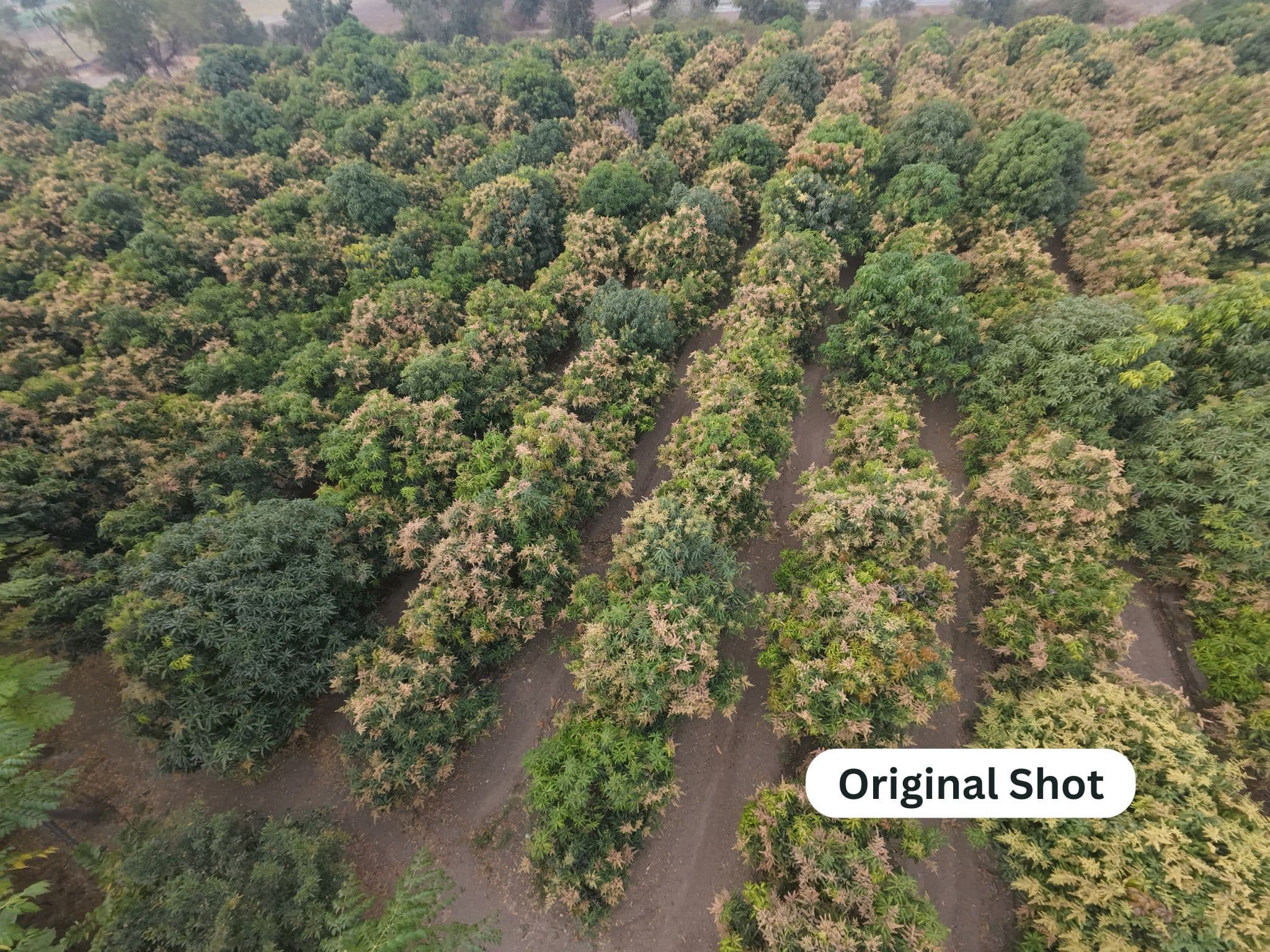
Mango Orchard Investment in India: How the Bapus Managed Orchard Model Works
Someone exploring mango orchard investment in India needs answers that go beyond attractive plantation photographs. What is being offered? Who owns the agricultural land? Who performs the work? How are sales and costs handled? And what do the projected harvest dates actually mean?
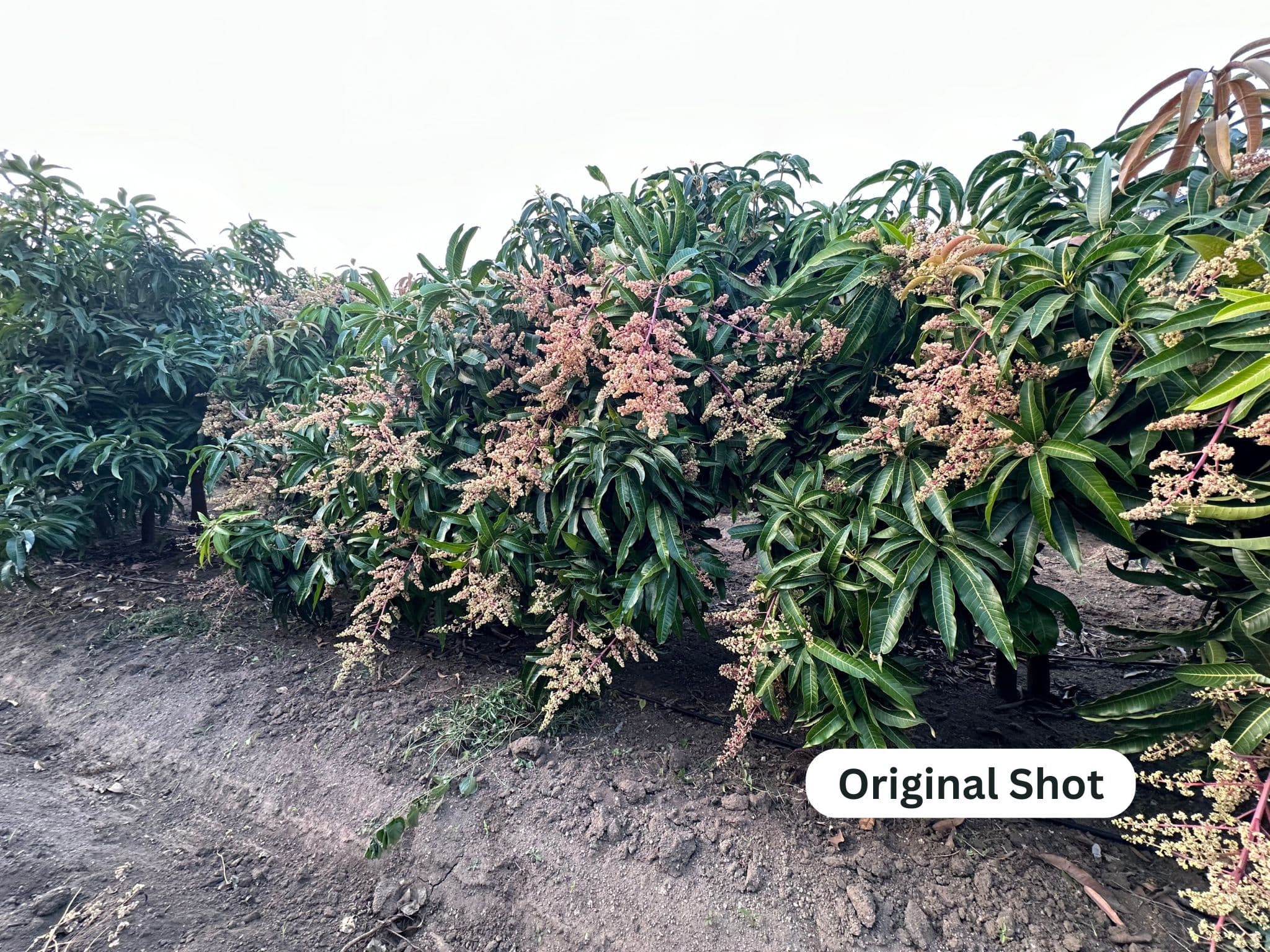
Mango Farming in Dhule, Maharashtra: Why Bapus Chose This Orchard Location
A mango farm's location matters long before its first harvest. Prospective farm owners need to understand where the project is, why the operator selected that region and what the proposed management arrangements cover. For Bapus Mango Farm, these questions lead to its described orchard project in Dhule district, Maharashtra.
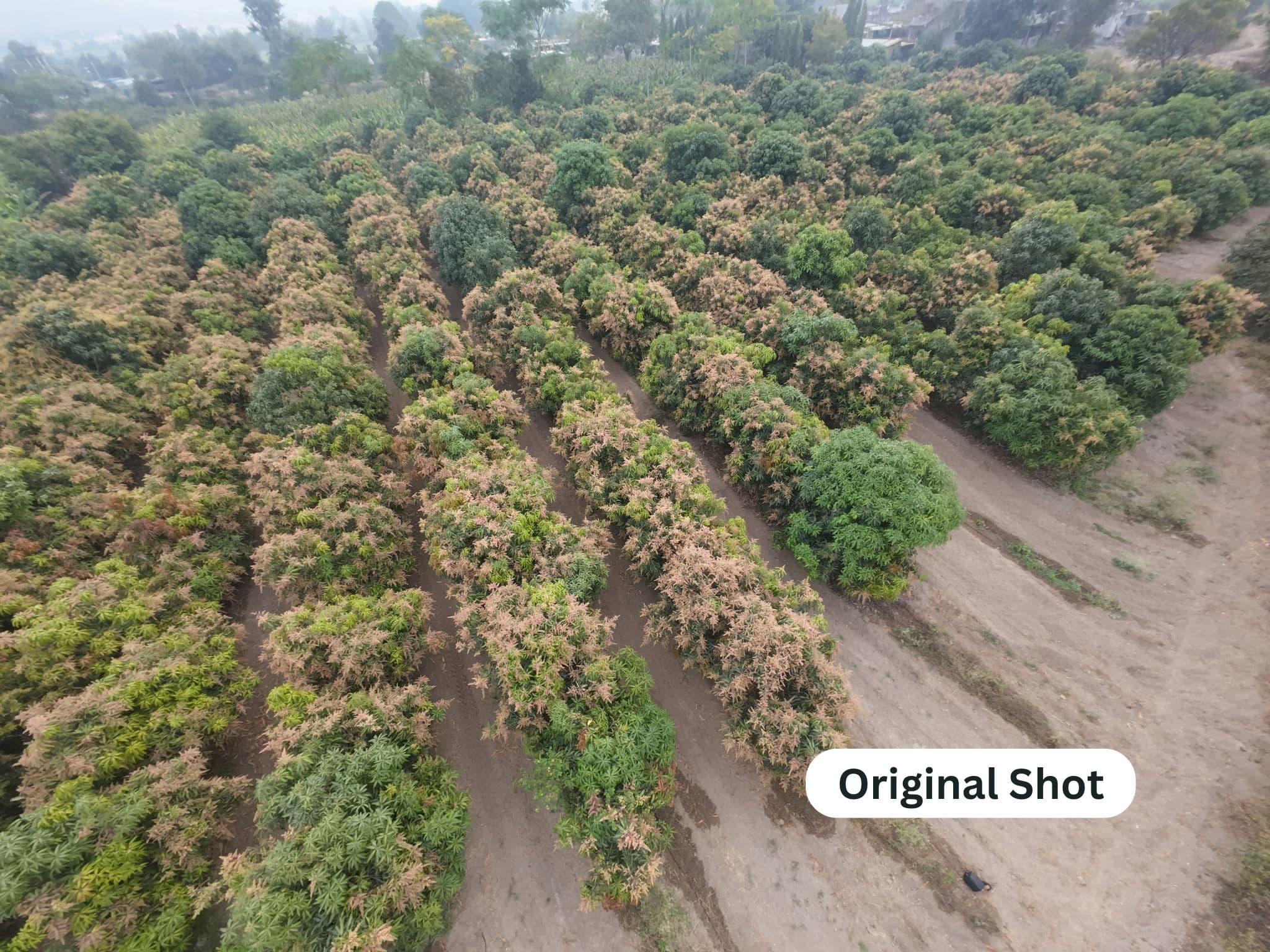
Mango Farming in India: How Bapus Plans Commercial Orchard Development
Commercial mango farming begins with a question that is easy to overlook: what will happen after the plants arrive? A plantation may look promising on its first day, but a commercial orchard also needs a defined planting plan, clarity about day-to-day care and a realistic understanding of the time it takes for trees to develop.